




Fingertip vs handheld pulse oximeters
Every clinical room needs a pulse oximeter, but should you buy a compact fingertip device or a handheld unit with separate probes? Here’s how they compare and when to use each.
Side by side
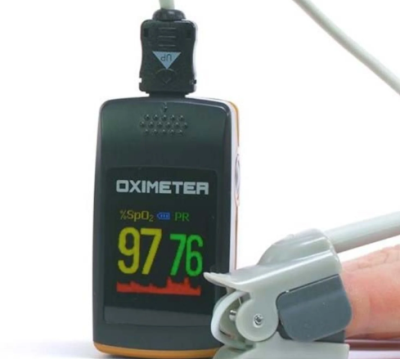
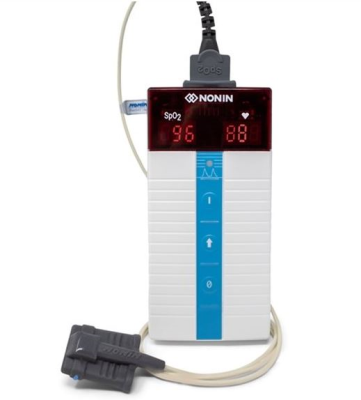
Handheld oximeters
A handheld unit with interchangeable probes for frequent use and monitoring.
Shop handheld oximetersThe short answer
- Fingertip oximeters are ideal for quick spot checks in consulting rooms, on home visits and in doctor’s bags.
- Handheld oximeters suit frequent use, continuous monitoring and patients who need paediatric or neonatal probes.
- Choose a medical device that is CE or UKCA marked, not a consumer gadget.
- For children and babies, use a device or probe designed for paediatric use.
Fingertip vs handheld compared
| Fingertip | Handheld | |
|---|---|---|
| Best for | Quick spot checks, home visits, doctor’s bags | Frequent use, continuous monitoring, paediatrics |
| Probe | Built into the device | Separate, interchangeable adult, paediatric and neonatal probes |
| Display | Small screen on the device | Larger screen, often with waveform and trends |
| Monitoring | Short spot checks | Longer monitoring, often with alarms |
| Memory and data | Basic, depending on model | Often stores readings for review |
| Portability | Pocket-sized | Larger, but still portable |
| Price | Lower | Higher |
Which should you choose?
Choose fingertip if…
- You mainly do quick spot checks
- You need something for a doctor’s bag or home visits
- You want an oximeter in every room on a budget
- Your patients are mostly adults
Choose handheld if…
- You monitor patients for longer periods
- You see babies and young children
- You want alarms, trends or stored readings
- The device will be used many times a day
Getting an accurate reading
Warm hands
Cold hands and poor circulation can give low or failed readings.
Remove nail polish
Nail varnish and false nails can interfere with the sensor.
Keep still
Movement affects readings. Wait for a stable trace before recording.
Ready to order?
Common questions
Are handheld oximeters more accurate than fingertip ones?
Not necessarily. Accuracy depends on the device and how it’s used. Handheld units are more flexible because you can choose the right probe for the patient.
Can I use a fingertip oximeter on a child?
Adult fingertip devices may not fit or read accurately on small fingers. Use a paediatric device or probe.
Do we need both?
Many practices keep fingertip oximeters in every consulting room and a handheld unit with paediatric probes in the treatment room.
Related buying guides
Still not sure?
Call 020 3301 6500 or email help@medical-supermarket.com and we’ll help you choose.