




Blood pressure monitors and cuff sizes explained
An accurate blood pressure reading depends on two things: a validated monitor and the right size cuff. Here’s how to get both right.
The short answer
- Choose a monitor that is clinically validated for accuracy.
- Cuff size matters: a cuff that is too small can over-read, and one that is too large can under-read.
- Stock small, standard and large adult cuffs as a minimum.
- Use ABPM (24-hour monitoring) when you need to confirm a diagnosis of hypertension.
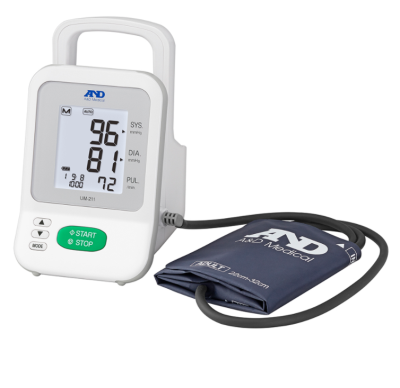
Types of monitor
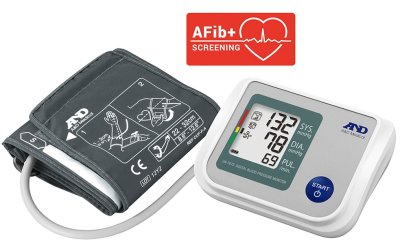
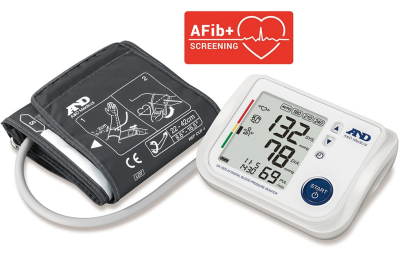
Digital upper-arm monitors
Fast, simple and consistent. The workhorse of most consulting rooms.
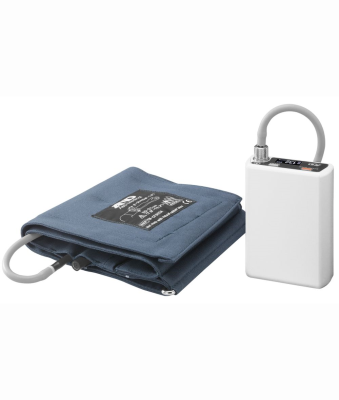
ABPM monitors
Record blood pressure over 24 hours as the patient goes about their day.
Waiting room monitors
Let patients take their own reading before their appointment, saving clinician time.
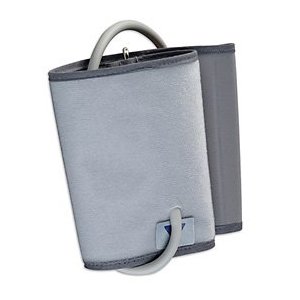
How to choose the right cuff
Measure the arm
Measure the circumference of the upper arm, midway between the shoulder and elbow.
Check the range
Every cuff is printed with the arm range it fits. Choose the cuff whose range includes the measurement.
Check the markers
When fitted, the index line should sit within the range markings on the cuff.
Getting an accurate reading
Rest first
The patient should sit quietly for a few minutes with their back supported and feet flat.
Support the arm
Rest the arm at heart level. An unsupported arm can raise the reading.
Bare arm
Fit the cuff on a bare upper arm, not over clothing.
Free download: Our equipment maintenance and calibration log helps you keep track of servicing for every BP monitor. Get it free from our GP resources library.
Ready to order?
Common questions
How often should BP monitors be calibrated?
Follow the manufacturer’s guidance. Many recommend checking accuracy at least every one to two years.
Do we need a separate cuff for every monitor?
Cuffs are often specific to a brand or connector type. Check compatibility before ordering spares.
Can patients use a home monitor reading?
Many practices use home readings as part of diagnosis and monitoring. Encourage patients to use a validated monitor and the right cuff size.
Keep reading
Not sure what’s right for you?
Call our team on 020 3301 6500 or email help@medical-supermarket.com and we’ll recommend the right product, at the right price.